Active travel project
The project team at a National Trust property in Devon needed an early-stage study to explore whether a new active travel crossing across a live railway could be feasible to improve access and active travel links between a growing community and a large estate.
Project Overview
The project team at a National Trust property in Devon needed an early-stage study to explore whether a new active travel crossing across a live railway could be feasible to improve access and active travel links between a growing community and a large estate.
Our role
We produced a first-stage Strategic Outline Case focusing on the interface between active travel and operational railway infrastructure. Our role was to:
- Understand the rail environment, constraints and operational risks.
- Interpret applicable standards, safety requirements and approvals processes.
- Explore whether compliant, accessible crossing options could exist for pedestrians, wheelchair users and horse riders.
- Identify opportunities and limitations to inform future decision-making.
- Drawing on our experience of third-party schemes, level crossing strategy, and working with Network Rail and train operators, we provided a structured, evidence-based framework to test feasibility in a proportionate way.
What we did
- Stakeholder coordination, including integrating feedback from public engagement activities.
- Site visits and longlist-to-shortlist appraisals of options.
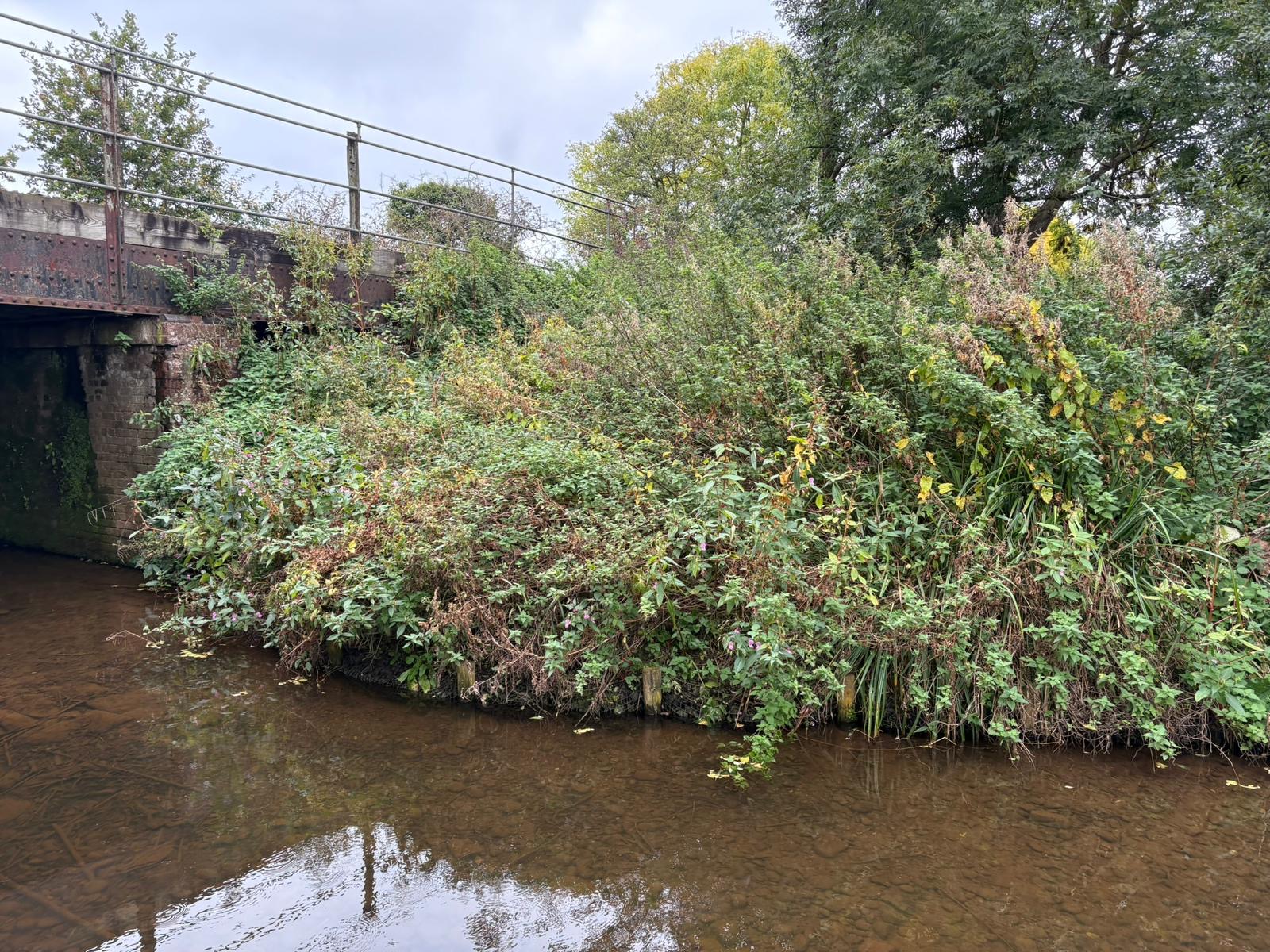
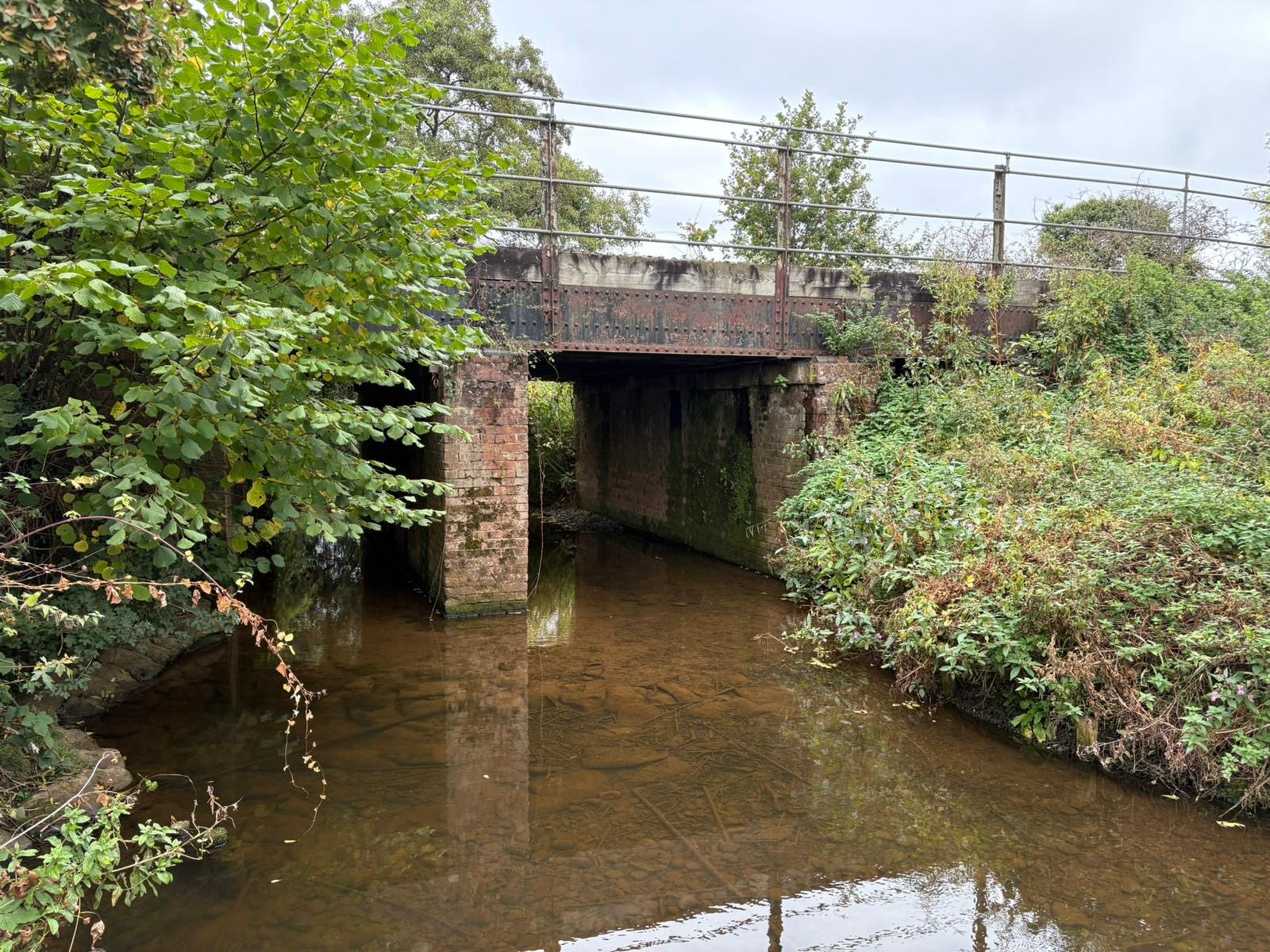
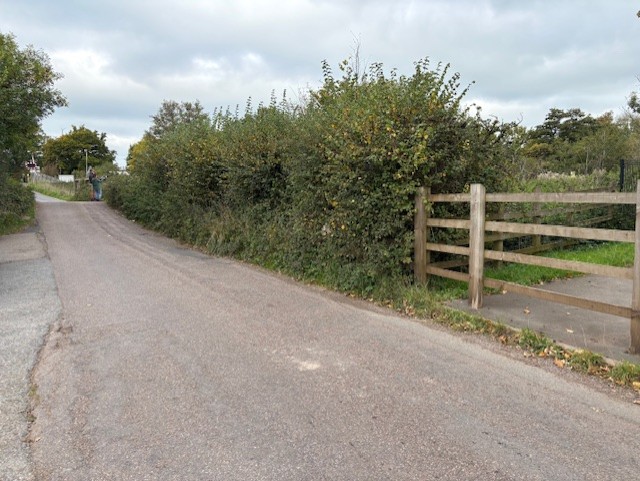
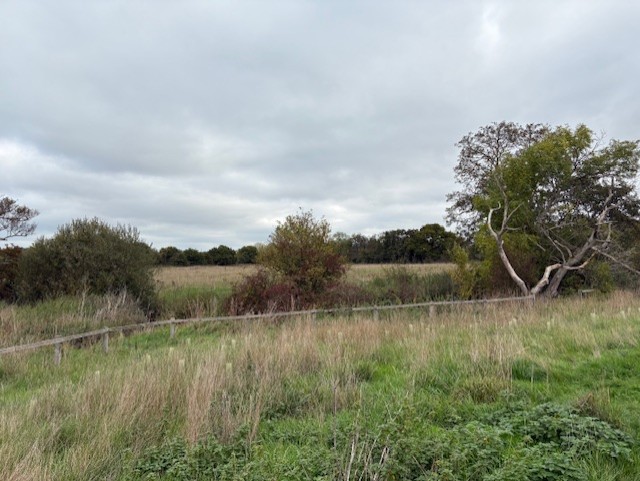
- Reviewed the physical, operational and safety context of the rail corridor.
- Feasibility assessments and high-level engineering input.
- Considered active travel and inclusivity requirements alongside railway risk.
- Development of a Strategic and reverse engineered Economic Dimension.
The outcome
The study provides the Killerton Estate and its partners with a clear, realistic understanding of:
- What types of rail-adjacent interventions might be feasible.
- Where the major technical, safety and governance challenges lie.
- Which options could, in principle, be capable of progressing through the rail approvals process and which are unlikely to be viable.
The work establishes an informed evidence base without pre-empting outcomes or committing to construction, allowing future investment decisions to be made with a full appreciation of railway risk, compliance and deliverability.
This project demonstrates our ability to operate at the complex interface between operational railways, active travel and inclusive access, heritage and environmental assets and local authority and third-party development.